
OathbreakerReview (2026 Redux) Oathbreaker
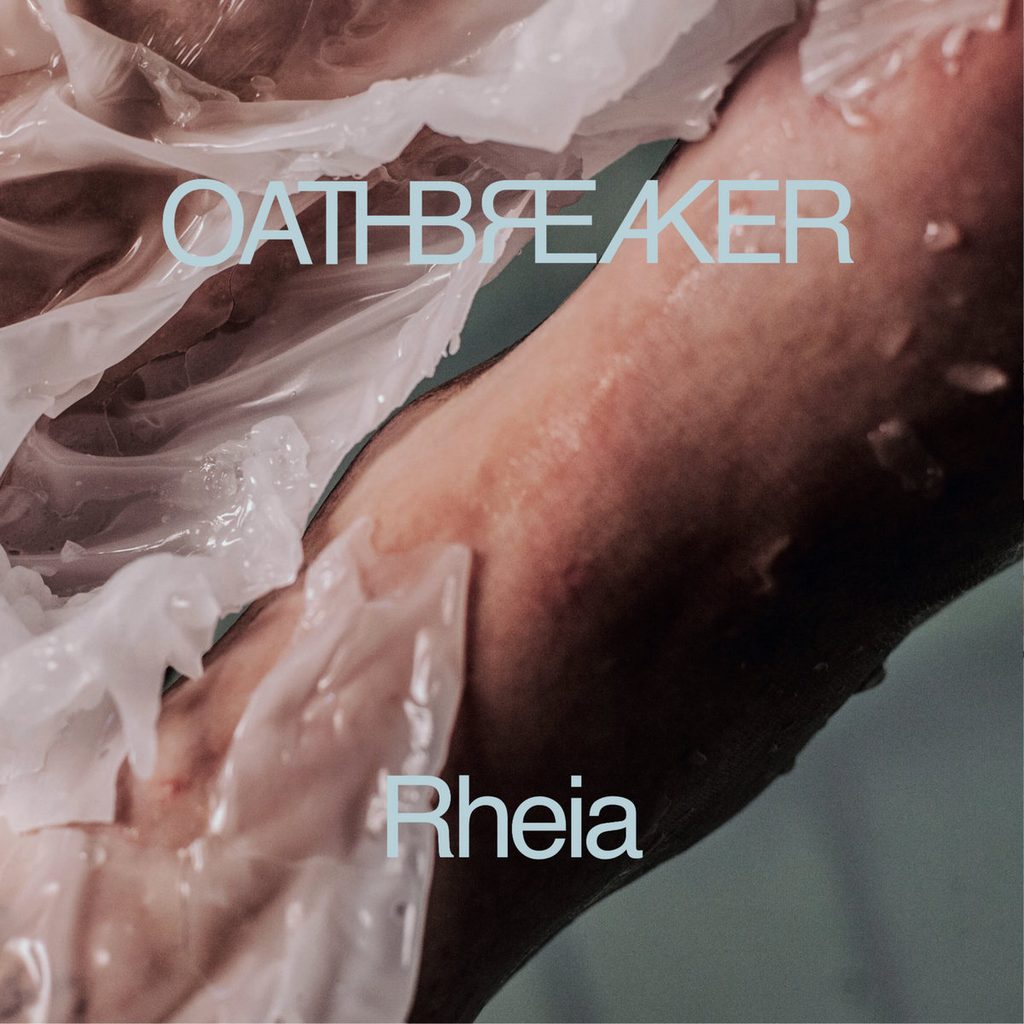
In 2016 I was still early in my musical journey, sticking to popular metalcore bands of that time.
Taking my tentative steps into the titans that defined metalcore and mathcore The Dillinger
escape plan and Converge. I was browsing YouTube and this band Oathbreaker came up on my
feed with a song called 10:56/Second Son of R. Intrigued by the title I put it on and quickly got
frightened by those extreme shrill screams turning before it off. Eventually I find my way back
to that song, a song which would quickly become on of my favourite songs of all time. So, I put
this Album titled Rheia on and become addicted, my musical journey suddenly fundamentally
changes.
Now it’s 2026, a decade has past since that life changing moment. Rheia is still the last album
by Belgian band Oathbreaker. To celebrate the anniversary of this record the band reunites
after nearly a nine-year hiatus to perform the album in full at Roadburn, along with a redux of
this legendary album that dragged them into the spotlight.
Rheia expands on the ideas of the bands previous release Eros|Anteros, on which the band
started to experiment with longer tracks, adding more blackgaze elements into their mix of
blackened hardcore. Rheia begins with the haunting vocal delivery on 10:56 and then leads into
the blistering guitars Second Son of R. Which is the only track on which the bands hardcore
roots are prominent. Oathbreaker takes that initial exploration of post metal and blackgaze
and runs with it to great success. Tracks like of Where I Live and Where I Leave lean more
heavily into blackgaze, giving a dreamy atmosphere to the album. While tracks like Needles in
My Skin and Immortals have a more balanced mixture of post-metal and blackgaze. The only
downsides of Rheia, in my opinion, are Stay Here/Arroche-Moi, as it interrupts the flow of the
record quite abruptly, and the interlude of I’m Sorry, This Is drags on for longer than it needed
to.
It’s impossible to talk about Rheia without highlighting the incredible vocal delivery by Caro
Tanghe. It’s a testament to Tanghe’s talent the sheer amount of emotion each of these songs
carry, from the violent and harrowing shrieks to the extremely vulnerable clean vocals and the
genuinely unsettling singing pattern found on Being Able to Feel Nothing.
So how does the redux shape up compared to the original, and did this album even need the
redux? In short not really, the original recording of the album still holds up. The redux version is
a bit more atmospheric with its mix lending the tracks a little more room to breathe. Caro’s
vocals are brought a bit little more forward on certain tracks.
Whether it’s the 2016 version or the 2026 version, Rheia remains as a landmark record within
its genre and for the band themselves.